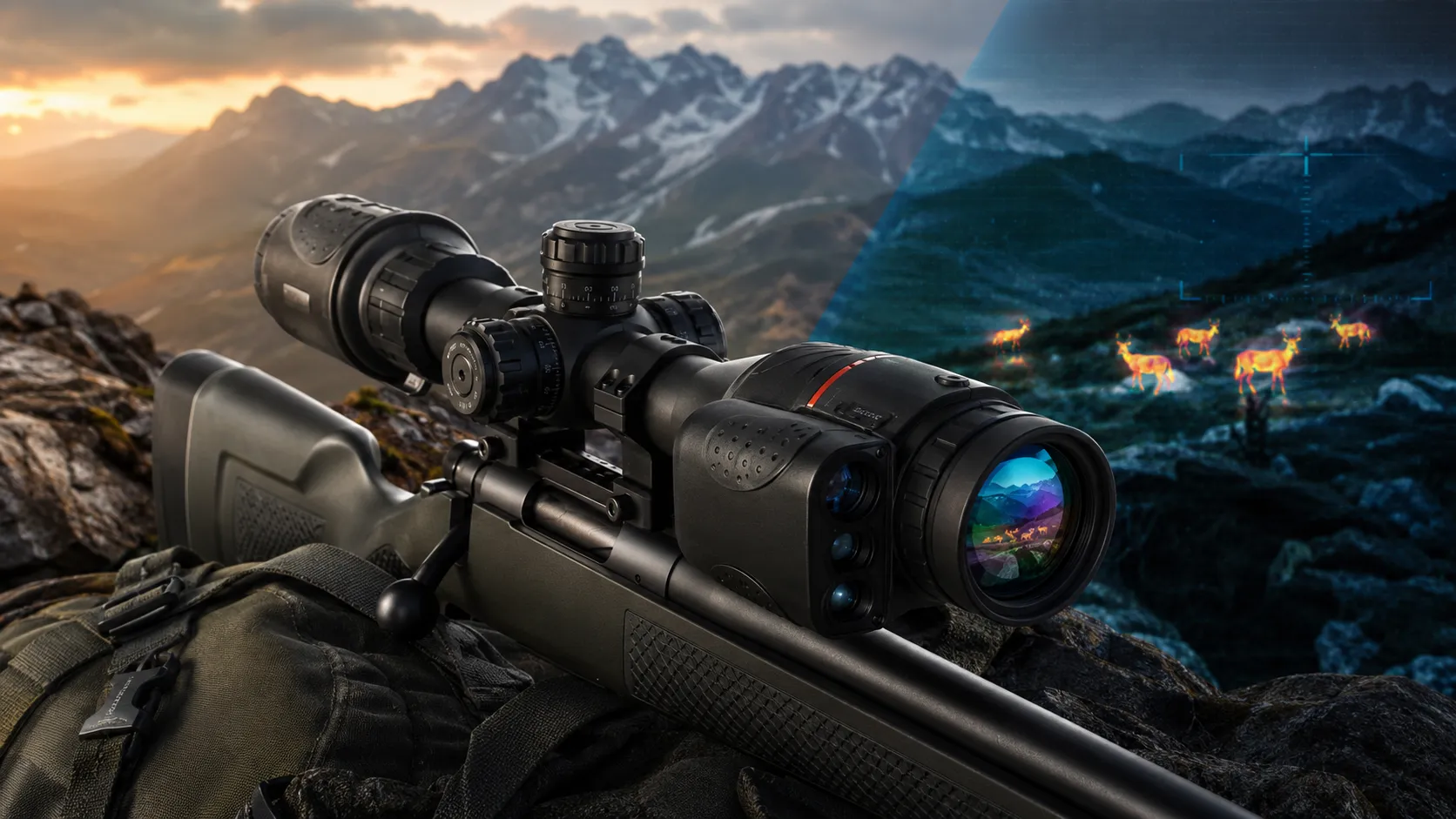
For years, night hunters faced a frustrating trade-off: carry a dedicated thermal scope for detecting heat signatures underground or under brush, then switch to a separate day optic to confirm what you’re actually aiming at. A multispectral hunting riflescope ends that compromise by combining a thermal imaging sensor and a digital day/night sensor into a single unit. You no longer need two rifles or a risky scope swap in the dark.
These dual-channel scopes aren’t just about convenience. They directly address the biggest safety complaint in thermal hunting—the inability to positively identify targets beyond a glowing blob. If you hunt predators that appear at last light or manage pest control across a farmyard, this technology gives you one tool that works from bright midday sun to moonless nights.
But the category is still young, and the spec sheets can be confusing. This guide walks you through what actually matters when comparing multispectral scopes, how to match one to your specific hunting environment, and where real hunters see the value.
What is a Multispectral Riflescope and How Does It Work?
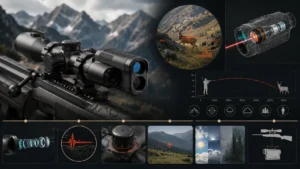
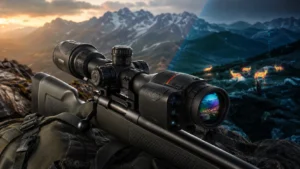
Technical takeaway: A multispectral hunting riflescope houses a thermal sensor and a high-resolution digital day/night camera inside one chassis, feeding both signals to a single eyepiece display. The shooter can instantly switch between a heat-detection view and a detailed, full-color or monochrome visible image without moving the rifle.
The Dual-Sensor Advantage: Thermal and Digital Combined
Think of the scope as two completely independent optical engines sharing the same housing. The top channel typically contains a germanium lens and a microbolometer thermal core, while a separate objective lens feeds a CMOS digital camera. An internal processor overlays the reticle onto whichever stream you select. Some units even offer a picture-in-picture mode that shows a small thermal window inside the daylight image, though that feature is reserved for premium models.
Because both sensors are fixed to the same rigid platform, they share a common zero. In practice, you zero the digital day scope and the thermal channel individually during setup, then confirm they hold alignment relative to each other. After that, one button push swaps your view between thermal detection and digital identification. The system completely removes the need to remove or re-mount optics when the sun goes down.
The digital sensor also doubles as a normal daytime scope. It captures visible light and can record full-color video, something a pure thermal sensor simply cannot do. For hunters who need proof of legal shooting hours or want to show the condition of a harvested animal, this is a significant documentation advantage.
Multispectral vs. Thermal-Only Scopes: Which Fits Your Hunt?
Decision rule: If your priority is detecting a heat signature at maximum possible range and you rarely need to distinguish between similar-sized animals, a pure thermal scope remains hard to beat for weight, battery life, and cost. But if you hunt areas where protected species mix with target game, or you need one optic to cover daylight stalking and nighttime pesting, a multispectral unit solves the identification problem that pure thermal cannot.
The Limitations of Pure Thermal Optics
Thermal-only scopes detect temperature differences and paint a grayscale or colorized heat map across your target. That works brilliantly for spotting a warm body behind light vegetation or across a long stubble field. The problem starts when you need to decide whether that body is a fox or a neighbor’s dog, a rabbit or a chicken, a boar or a calf. At any real distance, a thermal signature loses fine detail. Ears, facial patterns, and fur markings simply don’t radiate enough temperature contrast for a thermal core to resolve.
Thermal also struggles with glass, water reflections, and certain weather conditions. Heavy fog or rain can flatten contrast to the point where a thermal scope becomes a guessing game. And during daylight, many dedicated thermal scopes produce a washed-out image that is difficult to use for precise, ethical shot placement.
Why Multispectral Solves the “ID” Problem
Multispectral scopes attack this limitation by keeping the thermal sensor for detection and adding a high-definition digital camera for verification. You scan with thermal, locate a heat signature, then immediately toggle to the digital night vision channel—often an ultra-sensitive CMOS sensor paired with an IR illuminator—to see fur texture, body shape, and behavior. That extra identification step drastically reduces the risk of shooting non-target animals, which is not only a safety concern but in many regions a legal requirement before taking a shot.
There are trade-offs. A dual-sensor housing adds weight—expect an extra 200 to 400 grams over a comparable thermal-only scope. The electronics run two processors, so battery drain is higher and runtime typically tops out at 5 to 7 hours per charge. And the entry price is steeper. But for the hunter who values positive identification over extended runtime, the multispectral format is often the safer and more versatile choice.
Key Features to Look For When Comparing Scopes
Buyer warning: Do not compare scopes purely by advertised magnification. A high digital zoom number means nothing if the underlying thermal imaging sensor resolution is too low to support it. Start your evaluation with thermal sensor specs and the presence of an integrated laser rangefinder (LRF), then consider optical magnification and display quality.
Thermal Sensor Resolution and Pixel Pitch
Thermal cores are described by their pixel count (e.g., 384×288 or 640×480) and pixel pitch (the physical size of each detector element, such as 12µm or 17µm). A 640×480 sensor outputs four times as many temperature data points as a 384×288 sensor, which translates to cleaner animal silhouettes and better detection range for small targets. For anything beyond 200 yards on predator-sized game, a 640-core is strongly preferred.
Pixel pitch matters because it determines how efficiently the sensor converts heat into signal. A smaller 12µm pitch can allow a given lens to produce higher native optical magnification without making the scope housing enormous. However, a 17µm pitch with higher sensitivity can sometimes give better low-contrast performance on rainy nights. The real-world difference is often less than spec-sheet warriors suggest, but for close-range airgun work a finer pitch helps with tiny target detail.
Digital Sensor Quality and Daytime Performance
The digital day/night sensor handles all your visible-light shooting, so its resolution directly affects target clarity during daylight and low-light hours. Look for at least 1920×1080 resolution; cheaper units with 720p sensors produce noticeably softer images that make it hard to read fur detail at distance. The best consumer models now use 4K CMOS sensors that record video sharp enough to identify individual feather patterns on a bird at 50 yards.
Daytime color reproduction varies widely between brands. Some scopes produce natural, well-saturated colors, while others have a greenish cast that can mask subtle animal movement in thick summer foliage. If your hunting demands full-color identification in bright sun, prioritize a model with a known-good 4K sensor and adjustable color profiles rather than accepting a low-resolution placeholder.
Magnification Ranges and Field of View (FOV)
Optical magnification is the physical enlargement provided by the objective lens system before any digital zoom is applied. It dictates your base field of view. A scope with 2x optical magnification will show a wide swath of a barn interior for close-range ratting, while a 5x optical base is better suited to scanning distant hedge lines for foxes. Digital magnification then enlarges a cropped portion of that image, and each step of digital zoom beyond 2x degrades resolution noticeably.
For mixed-use hunters, a digital day/night sensor with a moderate optical base of 3x to 4x and a restrained digital zoom range up to 8x offers a practical compromise. Field of view is equally important: a 10-degree FOV at 100 yards gives you roughly 52 feet across to detect movement, while a narrow 5-degree FOV cuts that in half. Close-range pest controllers should prioritize wide FOV; long-range predator hunters can trade FOV for magnification.
Many traditional high-magnification hunting riflescope designs rely purely on optical zoom for daylight precision, while multispectral units blend optical and digital systems. Knowing the difference helps you avoid overpaying for a huge digital zoom number that the sensor can’t support.
Laser Rangefinders (LRF) and Ballistic Integration
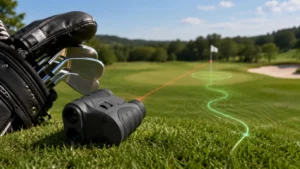
Depth perception vanishes in the dark. An integrated laser rangefinder that reads distances down to 3 meters becomes critical for airgun shooters and short-range ratting, where trajectory drops dramatically over just a few yards. Many premium multispectral scopes now embed an LRF module directly in the housing, overlaying the measured distance on the display and automatically feeding it to an onboard ballistic calculator.
If the scope includes a ballistic solver, you can store profiles for your specific ammunition and caliber. After ranging, the system recalculates holdover and shifts the reticle or provides a secondary aiming point. This reduces the mental load during a fleeting shot window. While an LRF is not strictly mandatory for casual backyard use, omitting it from a hunting scope means you will still need to carry a separate rangefinder and estimate holdover manually in the dark. For most hunters stepping up from a basic thermal scope for hunting, the LRF is the single feature that makes the largest practical difference in first-round hit probability.
Popular Multispectral Scopes in the Consumer Market
Hunters looking to purchase a multispectral scope today will typically encounter a short list of competing models from established night-vision brands. The Pulsar Thermion Duo series, PARD TD32 lineup, and DNT ThermNight variants each take a slightly different approach to sensor pairing and feature integration, so the right choice depends heavily on whether you prioritize long-range target detection, daytime image quality, or an all-in-one LRF ballistics package. Arken Optics has also announced multispectral entries, though their track record in this specific segment is still developing.
Comparing Key Specs of Top Multispectral Scopes
The table below highlights how thermal sensor resolution, digital sensor capability, and inclusion of a built-in LRF separate these popular consumer units. Use it not as a ranking but as a lens through which to evaluate what you will actually pay for at each price tier.
| Model | Thermal Sensor Resolution & Pitch | Digital Day/Night Sensor Resolution | Integrated LRF | Approx. Price Range |
|---|---|---|---|---|
| Pulsar Thermion Duo DXP50 | 640×480 @ 17µm | 4K CMOS | No (optional external module) | $3,000 – $3,500 |
| PARD TD32 LRF | 384×288 @ 12µm | 1920×1080 | Yes | $2,200 – $2,600 |
| DNT ThermNight TNS75 | 640×480 @ 12µm | 2560×1440 | Yes | $2,800 – $3,200 |
Note: Prices are approximate street-value ranges and subject to change. LRF availability and sensor specifications should be verified directly with the manufacturer or on the current product page before purchase.
The pattern is easy to read. A 640-resolution thermal core with a 4K digital sensor pushes the price toward the higher boundary, especially when paired with an integrated LRF. If your hunting distances stay inside 150 yards and you need dependable range-finding for airgun trajectories, a model like the PARD TD32 with its included LRF can deliver strong utility without the cost of a top-tier thermal sensor. For open-country coyote work where thermal clarity beyond 300 yards matters, the 640-core scopes are the ones to compare closely.
Real-World Field Applications: How Hunters Use Them
Multispectral scopes shine in two very different scenarios: extended stalks that start in daylight and bleed into full darkness, and high-volume pest elimination where rapid target transitions make blind thermal groping inefficient. The sensor combination shapes how you set up your rifle for each.
Seamless Day-to-Night Transitions
In many predator-hunting states, prime coyote activity kicks in during the hour after sunset—exactly when a traditional day scope becomes useless. With a multispectral scope, you glass a draw in full daylight using the digital sensor, watching for movement and color. As light fades, you flip to thermal mode without moving position. You can continue scanning the same draw, now picking up body heat through the deepening gloom. Once a target is spotted, a single toggle back to the digital night vision channel with IR illuminator lets you identify the animal conclusively and take the shot. The rifle never leaves your shoulder, and your zero never shifts because you didn’t swap optics.
Pest Control and Short-Range Ratting
Pest control and ratting demands a different setup. In a farm building, grain store, or poultry shed, rats and feral pigeons hide behind feed bags, pipework, and shadows. A thermal sensor sees their heat bloom instantly, often revealing nests that are invisible even to a flashlight. You then switch to the digital sensor, which with its own IR illuminator reveals the exact position of the rat’s head relative to a concrete lip or steel beam—information critical for a safe airgun pellet path.
For this close-range work, a scope with an LRF that ranges down to 3 meters is far more useful than a high optical magnification. The rangefinder allows you to apply exact holdover for airgun trajectories that can drop two inches between 15 and 25 yards. Many dedicated ratting setups pair a compact multispectral scope with an low-power variable riflescope for daylight barn clearance or use a FFP riflescope with zero stop for predictable turret adjustments, but a multispectral unit eliminates the need to switch gear when the rats only appear after dark. The wide field of view and short detection-to-shot time make this one of the most practical applications of the technology.
Exploring Your Optic Options
The right multispectral scope always traces back to your typical shooting distance and target size. A 384-core LRF model will serve a farmyard ratter reliably, while a long-range predator caller will benefit from the extra detection clarity of a 640 sensor and a high-resolution digital day channel. Before you commit to a price tier, write down the longest range at which you need to identify a target by species—that number, more than any marketing spec, should guide your shortlist.
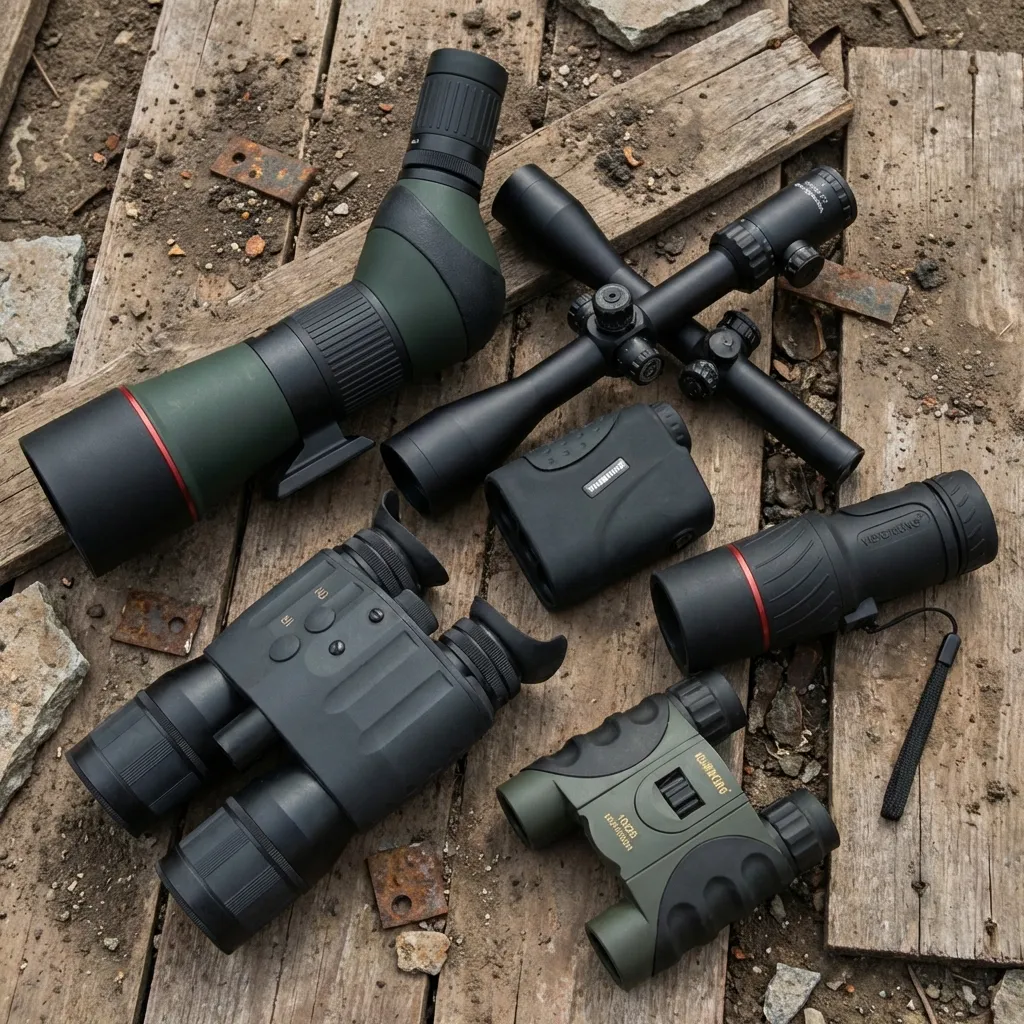
We encourage you to compare available Visionking product lineup options alongside the multispectral models discussed here. If you already use a dedicated side focus riflescope for daytime work, a multispectral scope can give you the night capability without sacrificing the daylight precision you’re used to. For personalized advice matching a scope to your specific rifle platform, caliber, and hunting environment, our support team can help you narrow the field.
Frequently Asked Questions
How much do consumer multispectral hunting scopes cost?
Expect to pay between $2,000 and $3,500 for a fully featured unit. Models with 640×480 thermal sensors, 4K digital channels, and built-in laser rangefinders sit at the top of that range, while 384-core options with lower-resolution digital sensors and no LRF occupy the entry level.
Can I use a multispectral riflescope during bright daylight?
Yes. The digital sensor functions as a normal daylight scope with color, recording, and standard reticle overlays. The thermal sensor can also be used during daylight to highlight sun-warmed animals against cooler backgrounds, though its image will appear lower contrast than at night.
Are multispectral scopes heavier than standard thermal scopes?
Yes, because they contain two optical trains, two sensors, and often an integrated LRF, they typically weigh 200–400 grams more than a comparable thermal-only unit. This extra weight can affect balance on lightweight air rifles, so check the total system weight with your mount before buying.
Do I need a laser rangefinder (LRF) for short-range ratting?
It is not strictly necessary, but an LRF that ranges down to 3–5 meters is extremely useful for airgun ratting because pellet trajectory changes quickly within those distances. Without it, you must estimate range in the dark, which can lead to misses or wounding shots.
How long do the batteries typically last on these dual-sensor units?
Battery life runs 4 to 7 hours depending on which sensors are active and whether the IR illuminator is on. Most scopes accept rechargeable internal packs and allow external USB power banks for extended sessions in the field.