You’ve got the rifle, the land, and the patience, but once the sun sets, you’re blind.
The debate between night vision vs thermal for hunting is easily the most expensive question in the shooting world right now.
One technology detects heat signatures to spot game through pitch-black darkness. The other amplifies ambient light to give you the resolution needed for a safe, ethical shot.
Choosing the wrong one isn\’t just a waste of your budget—it costs you the hunt.
At Виженкинг, we engineer precision optics for real-world performance, so we are cutting through the marketing hype to give you the raw facts.
In this guide, you’ll learn the critical differences in detection capabilities, how to balance target identification with range, and exactly which optic belongs on your rail.
Let’s own the night.
The Core Science: Understanding the Tech
To make the right choice between night vision vs thermal for hunting, you have to understand that these aren\’t just two versions of the same thing—they are fundamentally different technologies. One relies on light, while the other relies on heat. Here is how the physics breaks down when you look through the lens.
Night Vision Mechanics: Amplifying Ambient Light and IR
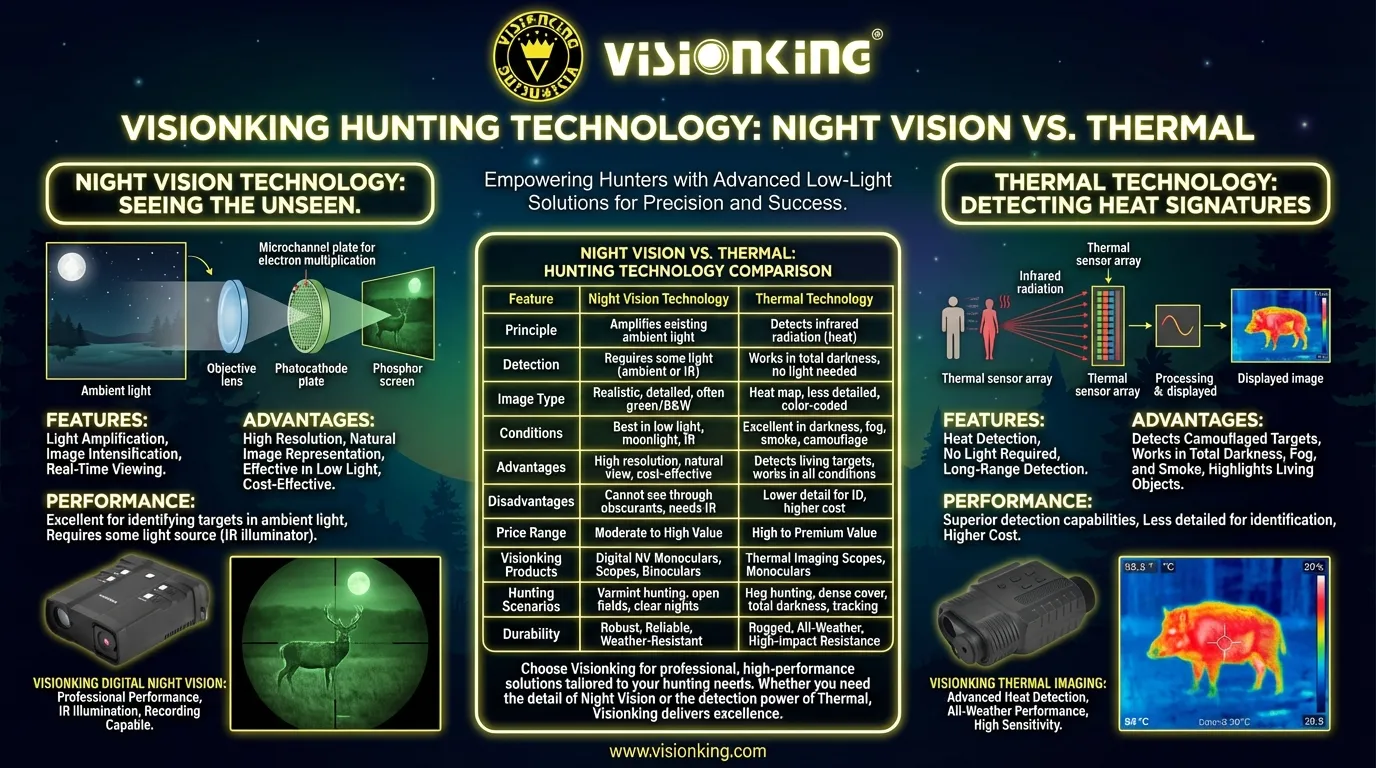
When I use digital night vision, I am essentially using a light amplifier. These devices work by gathering existing light particles (photons) from the moon or stars and boosting them through an image intensifier tube or a digital CMOS sensor.
However, night vision has a critical dependency: it needs light to work. In conditions with zero ambient light, the image will be too dark to use. This is where an IR illuminator comes into play. By projecting an infrared beam (invisible to the naked eye but visible to the sensor), the illuminator acts as a flashlight, allowing the scope to \”see\” in total darkness.
Thermal Imaging Mechanics: Detecting Heat Signatures and Radiation
A thermal imaging scope operates on an entirely different principle. It does not need light; it detects radiation. Every object with a temperature above absolute zero emits infrared radiation (heat).
Thermal devices use a microbolometer sensor to read these temperature differences between an object and its background. The software then translates this data into a visible image, often called a thermogram. This means thermal optics require absolutely no ambient light to function. Whether it is high noon or midnight, the device sees the heat, not the visual reflection.
Visual Differences: Realism vs. High Contrast Images
The user experience differs drastically between the two. Ночное видение provides a \”natural\” image, allowing you to see the world much like your own eyes would, just in monochrome (green or black and white). You can see textures, shadows, and details like the specific pattern on a deer\’s coat.
cURL Too many subrequests., cURL Too many subrequests. cURL Too many subrequests. cURL Too many subrequests.
| Особенность | Терминал ночного видения | Тепловизионное изображение |
|---|---|---|
| cURL Too many subrequests. | cURL Too many subrequests. | cURL Too many subrequests. |
| cURL Too many subrequests. | cURL Too many subrequests. | cURL Too many subrequests. |
| cURL Too many subrequests. | cURL Too many subrequests. | cURL Too many subrequests. |
| cURL Too many subrequests. | Идентификация cURL Too many subrequests. | Обнаружение cURL Too many subrequests. |
cURL Too many subrequests.
cURL Too many subrequests.
cURL Too many subrequests. thermal imaging scope cURL Too many subrequests. cURL Too many subrequests. cURL Too many subrequests.
cURL Too many subrequests. cURL Too many subrequests. cURL Too many subrequests.
cURL Too many subrequests.
cURL Too many subrequests. cURL Too many subrequests. cURL Too many subrequests. cURL Too many subrequests.
cURL Too many subrequests. cURL Too many subrequests.. cURL Too many subrequests. night vision vs thermal for hunting cURL Too many subrequests.
cURL Too many subrequests.
cURL Too many subrequests.
- cURL Too many subrequests. cURL Too many subrequests.
- cURL Too many subrequests. cURL Too many subrequests.
- cURL Too many subrequests. cURL Too many subrequests.
For pure detection speed and reliability in zero light, thermal holds the crown.
Round 2: Target Identification (The Shooting Phase)
Night Vision Superiority: Seeing Fur, Antlers, and Facial Details
When the debate of night vision vs thermal for hunting moves to the moment of taking the shot, night vision often takes the lead. Because digital night vision technology amplifies existing light (photons) rather than translating heat data, it provides a realistic, \”natural\” image. This visual clarity is crucial for trophy hunters who need to count antler points or assess the age of an animal before pulling the trigger.
With a quality unit like the Visionking Night Vision 3×42 Infrared Scope, you aren\’t just looking at a glowing shape; you are seeing the texture of the fur, the contrast of the environment, and specific facial features. This level of optical resolution ensures that what you are seeing in the viewfinder matches reality, just in a monochromatic palette (usually green or black and white).
Safety First: Distinguishing Targets from Non-Game Animals
Target identification is the most critical safety rule in hunting. Night vision excels here because it allows for positive ID. In areas where livestock, domestic pets, or other hunters might be present, relying solely on a heat signature can be risky.
- Positive ID: You can clearly distinguish between a wild hog and a calf, or a coyote and a domestic dog.
- Background Check: Night vision allows you to see what is behind your target, ensuring a safe backstop.
- Obstacle Avoidance: You can see twigs and small branches in the flight path of your bullet that might be invisible on thermal.
The Thermal Challenge: Dealing with the Blob Effect and Lack of Detail
В то время как cURL Too many subrequests. is unbeatable for finding game, it struggles with detailed definition. In lower-resolution thermal units, animals at a distance often appear as amorphous \”blobs\” of heat. Even with high-end sensors, thermal imaging cannot show you visual details like coat patterns or antler mass (unless the antlers are retaining significant heat, which is rare).
If you are hunting strictly for population control (like hogs or coyotes) where trophy size doesn\’t matter, thermal is sufficient. However, if you need to determine the gender of the animal or ensure it meets specific legal requirements, the lack of detail in thermal images can be a significant handicap compared to the crisp image of night vision.
Round 3: Battling the Elements and Terrain
When conditions get tough, the gap between night vision vs thermal for hunting widens significantly. Your environment dictates which technology will keep you in the game and which will leave you blind.
Weather Performance: Thermal in Fog, Smoke, and Rain vs. NV Bloom
Thermal imaging operates on a completely different spectrum than night vision. Since thermal imaging scopes detect infrared radiation (heat) rather than visible light, they are largely unaffected by adverse weather. They can effectively \”see\” through fog, smoke, and heavy rain, maintaining a clear picture of heat signatures.
In contrast, night vision relies on light amplification. In pitch-black conditions involving rain or fog, you typically need an IR illuminator. The problem arises when that infrared light hits water droplets or fog particles; it reflects straight back into the lens. This causes a \”white-out\” or bloom effect—similar to driving with high beams in a snowstorm—rendering the image unusable.
Penetrating Cover: Spotting Heat Through Dense Brush and Foliage
For hunters in thick terrain, brush and foliage penetration is often the deciding factor.
- Thermal Advantage: A thermal sensor picks up the heat glowing through gaps in tall grass, light bushes, and leaves. Even if the animal is camouflaged or partially hidden, its heat signature stands out against the cooler vegetation.
- cURL Too many subrequests. cURL Too many subrequests.
cURL Too many subrequests.
cURL Too many subrequests.
cURL Too many subrequests. cURL Too many subrequests. cURL Too many subrequests.
cURL Too many subrequests.
cURL Too many subrequests. night vision vs thermal for hunting, cURL Too many subrequests.
cURL Too many subrequests.
cURL Too many subrequests., digital night vision cURL Too many subrequests. IR illuminator cURL Too many subrequests.
cURL Too many subrequests. цифровых ночных биноклей Visionking cURL Too many subrequests.
cURL Too many subrequests.
cURL Too many subrequests. cURL Too many subrequests. cURL Too many subrequests.. cURL Too many subrequests.
cURL Too many subrequests.
cURL Too many subrequests. Visionking цифровой монокуляр ночного видения cURL Too many subrequests.
cURL Too many subrequests.
| Особенность | cURL Too many subrequests. | Тепловизионное изображение |
|---|---|---|
| cURL Too many subrequests. | cURL Too many subrequests. | cURL Too many subrequests. |
| Технология | cURL Too many subrequests. | cURL Too many subrequests. |
| cURL Too many subrequests. | cURL Too many subrequests. | cURL Too many subrequests. |
| Лучшее для | cURL Too many subrequests. | cURL Too many subrequests. |
cURL Too many subrequests.
cURL Too many subrequests. night vision vs thermal for hunting cURL Too many subrequests.
cURL Too many subrequests.
cURL Too many subrequests. cURL Too many subrequests., cURL Too many subrequests. thermal imaging scope is the superior tool here because it ignores camouflage and shadows.
- Heat Signature Detection: Thermal sensors pick up the body heat of a sounder of hogs instantly, even if they are partially obscured by tall grass or light brush.
- No Light Needed: You do not need an IR illuminator, so there is zero risk of spooking the game with infrared light.
- Эффективность: You can scan a large field in seconds. If something is alive out there, it will glow against the cooler background.
Predator Hunting Scenario: The Case for a Hybrid Setup
Predator hunting optics require a balance of range and identification. Coyotes and foxes are smaller targets that can be difficult to distinguish from domestic animals at long distances. Many professional hunters utilize a hybrid approach to get the best of both worlds.
- Scan with Thermal: Use a handheld thermal monocular for scanning to locate heat sources quickly across vast distances.
- Shoot with Night Vision: Once a target is located, switch to a rifle equipped with digital night vision. This allows for positive target identification, letting you see fur patterns and facial details to ensure it is a legal predator.
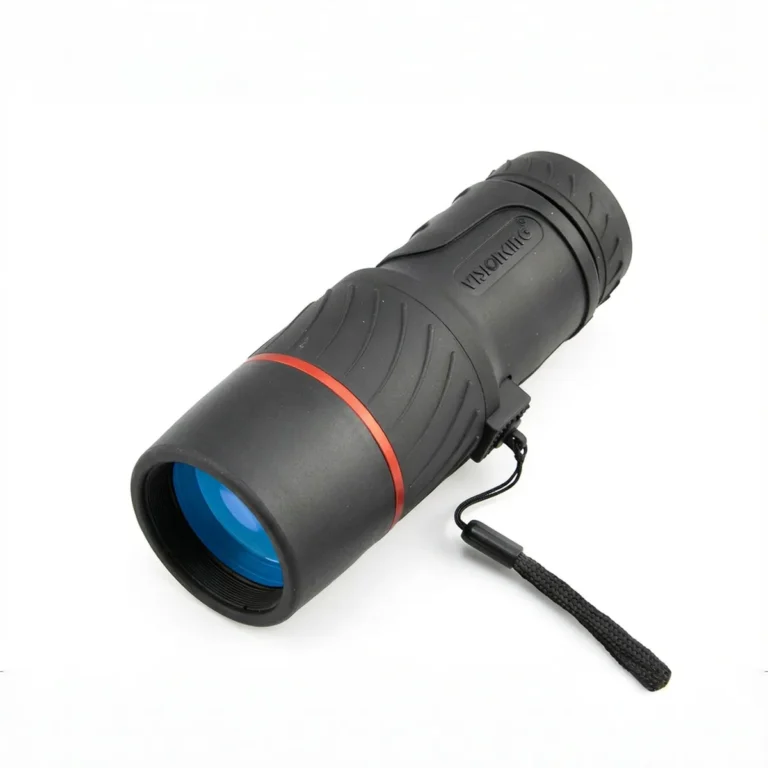
For the scanning phase, a reliable handheld monocular with a steady grip is essential for minimizing fatigue during long nights of observation.
The Budget Hunter: Maximizing Performance with Digital NV
If you are working with a tighter budget, digital night vision offers the best bang for your buck. While it lacks the detection ease of thermal, modern sensors provide high-resolution images that rival daylight optics.
- Realism: You get a natural view of the environment, making it easier to navigate terrain.
- IR Dependence: You will need a powerful cURL Too many subrequests. to see in total darkness.
- Точность: Because depth perception can be tricky on a digital screen, pairing your setup with a лазерным дальномером ensures you know exactly how far away your target is before pulling the trigger.
For hunters in open fields where cURL Too many subrequests. from the moon and stars is available, digital NV is a highly effective and affordable solution.
Frequently Asked Questions About Night Optics
Can thermal scopes see through glass windows?
No, absolutely not. This is a common misconception in the night vision vs thermal for hunting debate. Thermal imaging optics generally cannot see through glass because glass acts as a mirror for infrared radiation (heat). Instead of seeing the deer outside your truck window, you will likely see a reflection of your own heat signature. If you plan to scan from a vehicle, you must roll the window down.
cURL Too many subrequests.
cURL Too many subrequests. cURL Too many subrequests. cURL Too many subrequests. cURL Too many subrequests. cURL Too many subrequests.
cURL Too many subrequests.
cURL Too many subrequests.
- cURL Too many subrequests. cURL Too many subrequests. cURL Too many subrequests. cURL Too many subrequests.
- Ночное видение cURL Too many subrequests.
cURL Too many subrequests. thermal monocular for scanning cURL Too many subrequests.
cURL Too many subrequests.
cURL Too many subrequests.
- cURL Too many subrequests. cURL Too many subrequests.
- cURL Too many subrequests. cURL Too many subrequests. IR illuminator. cURL Too many subrequests. cURL Too many subrequests. cURL Too many subrequests.
cURL Too many subrequests.